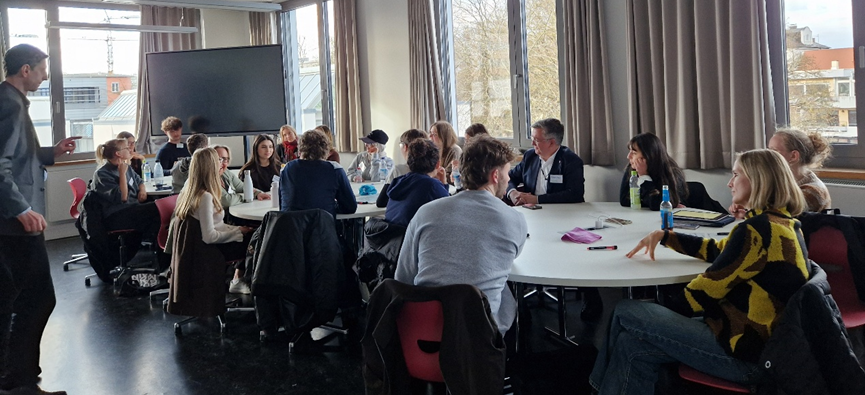
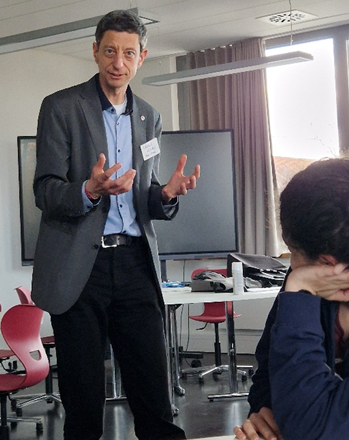
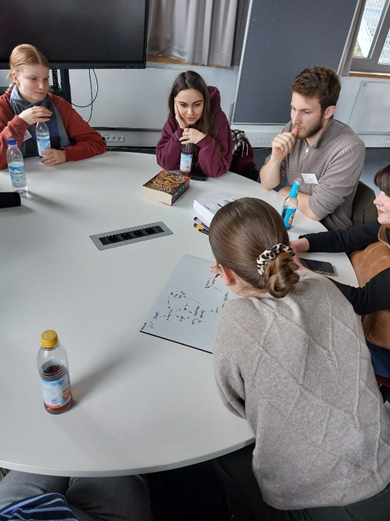
Mistakes happen constantly, everywhere and to everyone. But what happens when a mistake is more than just a small slip? When it leaves a mark, hurts others, or changes a life entirely? Mistakes affect not only the person acting, but those who must bear the outcome. On March 31, 2026, we focused on this very issue. For this, Ethics Professor, Dr. László Kovács divided us into four groups, each of which examined a different story. These ranged from medical errors with serious consequences to betrayal in personal relationships, and even to personal life choices that turned out to be wrong. While reading this post, we also want to invite you to step into these stories with us, reflect along the way, and perhaps reconsider your own views on fault, blame, and forgiveness.
The Four Mistake Stories in Question:
1: For over a year, you’ve been suffering from severe back pain without receiving a proper diagnosis from doctors. Time and again they dismiss your symptoms with explanations like “it must be from sitting too much at work” or “poor posture.” They prescribe physical therapy for you with stretching exercises and painkillers. The pain doesn’t get any better… Then – finally – from a different doctor comes the diagnosis. The one that, had you received a proper examination, would have spared you a great deal of pain and suffering and given you access to early treatment. The source of the pain is bone cancer.

2: In your long-term relationship, you’ve been through many ups and downs. You’re sure nothing can destroy your relationship, until one morning your partner confesses to a mistake. After a party, your partner cheated on you.

3: You have been living in a South American monastery for many years until one day you are arrested. You are accused of treason. Along with several other defendants, you must bear witness for a year as fellow prisoners are led away weekly to be shot. No one knows who will be next. Locked away from the world, you are unaware that the government has changed and with it the law, and all those accused of treason are to be released. Suddenly, the prison doors open for the last two survivors. You are one of them. As you are led back to your home, the monastery, back to all your friends and loved ones, you discover who had accused you back then and betrayed you to the government. It was a fellow brother from the monastery, whom you now face again and with whom you must live together once more…

4: After 25 years in the same job, you wake up one day and have to admit to yourself that you’ve never been happy. Your job drains you of all your energy and joy in life. After years of studying, continuing education, and countless hours of overtime, you have to admit that you’ve wasted years of your life because you made the wrong decision after high school.
While working in groups, we explored these cases through the following key questions:
- What feelings or reactions does the mistake trigger in the person involved?
- What are the reasons to forgive or not to forgive the person who is responsible?
- Which steps must be taken to achieve forgiveness?
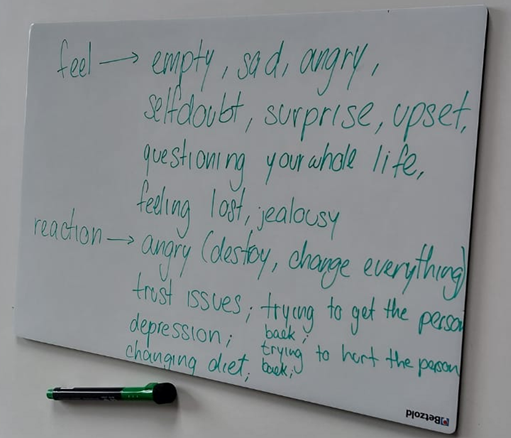
We started off by “simply” looking at what emotions we would experience and what reactions we might have from them. We first collected our thoughts within our “case group” before discussing them all together. While there was a wide range of emotions like disappointment, anger, fear, frustration, disrespect, betrayal, jealousy, emptiness or even self-doubt, the reaction options were rather limited but still quite diverse. Whether you cry and have a mental breakdown or you start losing trust and start obsessive research, or you even want to harm the person who made the mistake by suing the hospital, you are probably acting in some way that is nowhere near reflecting, forgiving, or moving on at first – and that’s just normal and simply being human. (All the same, you might reconsider your decision to burn down the house of a former boyfriend if they cheat on you, as one of the personal stories shared in class has shown – no worries, she reconsidered beforehand. And, as all FRIENDS fans reading this know, it can be helpful to step on their watch).
Secondly, we tried to find some reasons to not forgive a person (or even yourself). One possible reason might be that they’ve made that mistake purposely, or their mistake was so bad that it’s against human nature or your own values. We’ve also considered that it might be harder to decide whether you should/want to forgive a system that failed you instead of a person. The same goes for when the person who harmed you has passed away (before apologizing). The biggest discussion sparked when it came to the necessity of an apology or expressions of regret. On one hand, you really want to see some sort of reflection happening (which might even lead to some honest change in their way of acting) and maybe regain some respect by having your feelings validated by them this way. On the other hand, your process of moving-on is now (once again) depending on the other person’s actions. In addition to that dependency, we also recognized that a lot of mistakes happen without the “bad guy” even recognizing that he did cross your boundaries and hurt them. If this is just a minor incident there might not be the need to tell them and for that you can’t even expect an apology.
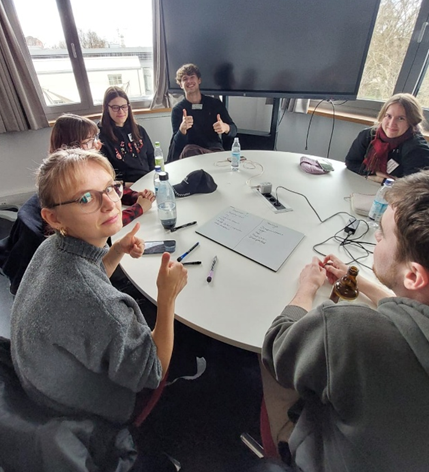
Our last question was about the process of forgiving and here is what we figured out: Forgiving someone begins with honestly acknowledging that you were hurt and allowing yourself to feel the emotions that come with it, without minimizing them or making them dramatic. Whilst some sort of denial might be necessary to preserve your self-esteem at first, you should not trick yourself into taking all the blame and not being angry (at the other person). Suppressed anger will not just disappear, instead it will probably make you take it out on other people or even yourself. The anger that you are probably feeling next to some other emotions is your “catalyst”. It provides you with enough energy to desire some sort of revenge (even if that just means moving on and not letting it affect you anymore) and to start acting. From there, you can clarify what boundary or expectation was violated so you understand exactly why it affected you. This helps you to figure out if you want to forgive and what you need to do so.
As said before: Forgiveness itself is a deliberate choice to release resentment, not because the other person deserves it, but because carrying the weight harms you more than it protects you. It helps to separate the person from their action. This way you can recognize the wrong behaviour while still seeing the person as more than their mistake. This of course is not easy and requires you to “step back” from your own emotions to instead look at a bigger concept than just this moment. Depending on the situation, you may need to set new boundaries to protect your well‑being and remind yourself that forgiveness doesn’t require reconciliation or closeness. During the process it can be very helpful to talk to others (who have experienced the same). Your final step should be letting go of the mental replay aka the habit of revisiting the story as if it defines you. This way the event becomes something that happened, not something that continues to shape your present.

Now it’s your turn! Take the poll to share your thoughts on the stories and forgiveness:
https://www.menti.com/al64s1ax8sxa
Access code via Mentimeter: 3655 5416
All in all, one thing is clear: The questions of blame and forgiveness are not easily answered. Nevertheless, we learnt how easily mistakes are made and how difficult it can be for those who have to deal with the consequences.
Furthermore, this seminar highlighted the importance of forgiveness, showing that there is no “right” or “wrong”, but whether you decide to forgive or not. Forgiveness helps not only the person who caused the harm but also helps us to come to terms with a situation and move on. The steps we worked out in the seminar may also help us deal with difficult situations in the future.
Ultimately, mistakes are human, and we will all make mistakes in the future and hope for forgiveness or be affected by the mistakes of others. It’s simply part of life!
“Forgiveness is a virtue of the brave.” – Indira Gandhi


Leave a Reply