Professor: Florian Hörmann
Authors: Syeda Raza E Zehra, Tobias Sterk
Date: 28.05.2026
Introduction
Imagine for a moment you are attending a seminar session, and suddenly you see a student with bloody hand looking like he is about to faint. You feel your stomach drop. The professor sprints over to the student shouting for first aid kit. Someone else runs out panicking, gets the kit, and rummages through the bag. Its total chaos for the first whole minute. And then the professor turns away from the ‘patient‘ and asks you to write down “what went wrong”. The whole ’emergency‘ was never real. Completely staged. But the lesson was very very real.
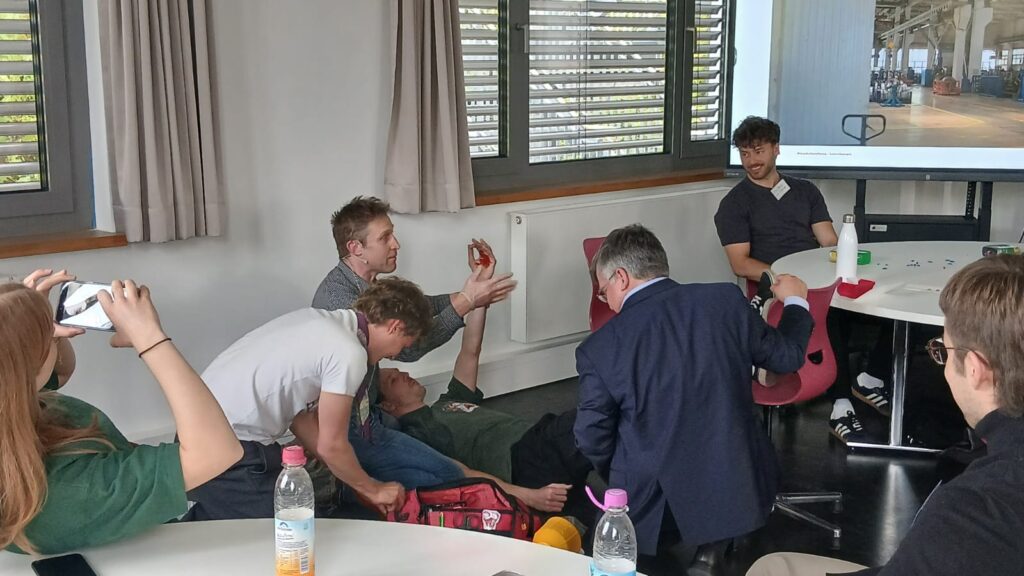
This week’s session was on LEAN mistakes by Professor Florian Hörmann from faculty of Mechanical and Process Engineering. We were introduced to the idea that a huge chunk of what we do doesn’t actually add value to a process itself. It simply goes to waste. Meaning we aren’t optimizing processes to make them efficient. And thinking leanly is figuring out where the waste in a process is and getting rid of it.
Prof. Florian also used a ‘show not tell’ method to present this concept to us which definitely stuck with all of us. First, we were introduced to the concept of Lean production where we learned about 7 types of waste (TIMWOOD)
- Transport: moving things unnecessarily
- Inventory: having more stock/material than needed.
- Motion: unnecessary movement of people (as we will see later)
- Waiting: time lost waiting for the next step.
- Over-processing: doing more than needed (eg: extra documentation)
- Overproduction: making more than what the customer asked for/needs.
- Defects: errors that need to be fixed or redoing.
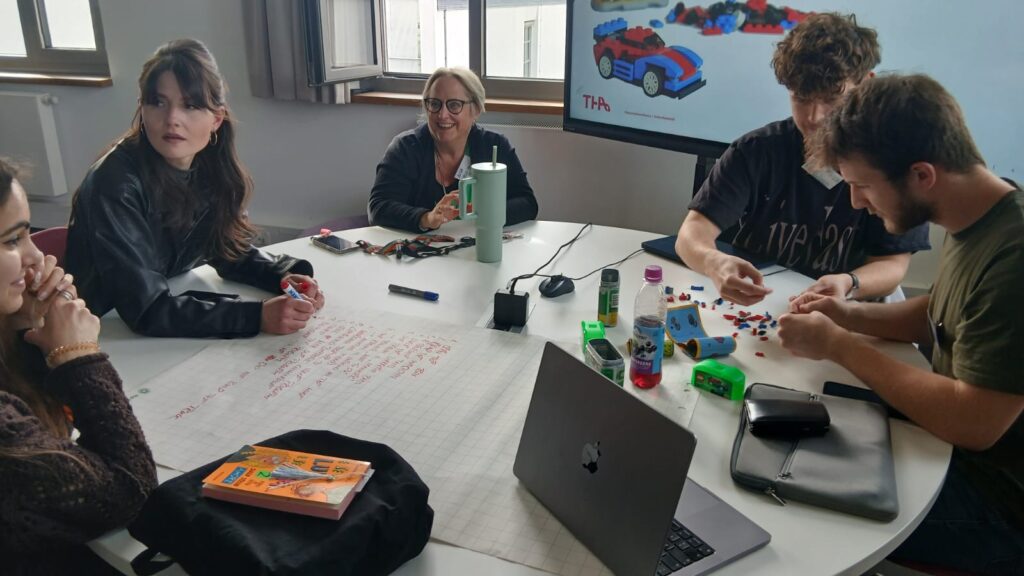
We were then tasked with building a truck using lego bricks, which nearly all the groups failed to do (we built a car instead) due to time pressure, unclear plan and forgetting what the professor asked us to really build. Hence, we all ended up putting together cars. More importantly, we witnessed an emergency, that for the first few seconds seemed real and had some of us holding our breaths, but was actually staged. By the end, lean mistakes had gone from an unknown term to something that we felt needs to be addressed more actively.
Key insights
Building the truck
During a team exercise, we were asked to build a truck. Under time pressure and rushing to make something quickly with the blocks, our team, like almost every other team built a car. Not a truck. This was the result of unclear communication, pressure, and the need to immediately deliver something. This taught us the first lesson: We can never deliver the right thing, if we have speed but not clarity. We just deliver faster. From there, we were introduced to the 7 types of waste: TIMWOOD (as mentioned previously)
Something that made this lesson stick was a video we watched of F1 team members changing tyres in 67 seconds in the early 50’s vs in under 2 seconds now. This difference is extremely significant. Every second that is now saved in the pit stop was previously waste. We had unnecessary movement, no clear plan about roles and timings that resulted in waiting unnecessarily, and disorganized equipment.
THE EMERGENCY
Then came the emergency. A student’s hand (with palm covered in “blood”, which was actually just ketchup) raised and he began making painful noises almost as if he was about to faint. The professor rushed towards him, and urgently sent someone to grab the first-aid kit, and for a full minute there was complete chaos. Everyone figured within the first 6-7 seconds that it was staged (thankfully!)
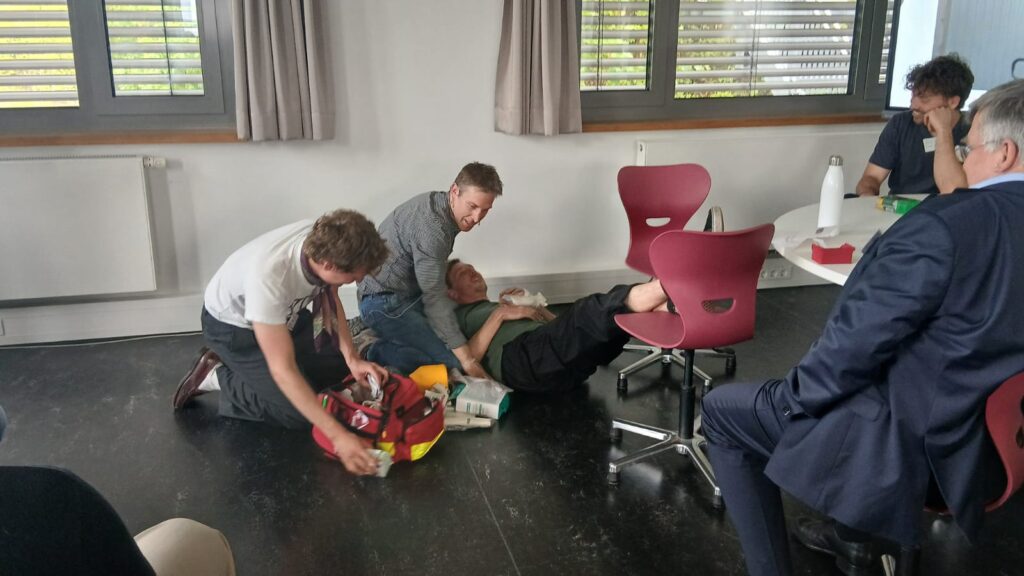
Luckily for the ones who weren’t able to make it, we also have a video for you.
Afterwards, we had to write down every mistake involved in the skit. All the groups came up with answers which, when merged together, are the following:
- The student tasked with grabbing the first-aid kid wasn’t aware where it was.
- The student was unaware for the technical term for the item the professor needed and handed him something completely irrelevant.
- Rushing and shouting resulted in chaos rather than clarity of what to do.
- The first aid kit was disorganized and incomplete which wasted crucial seconds in finding the item.
- Roles were unclear.
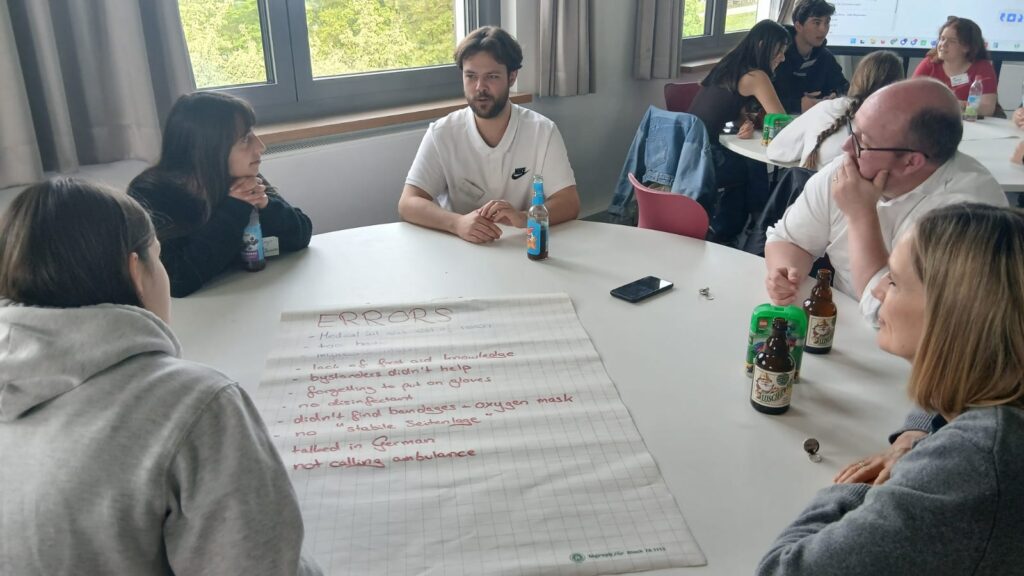
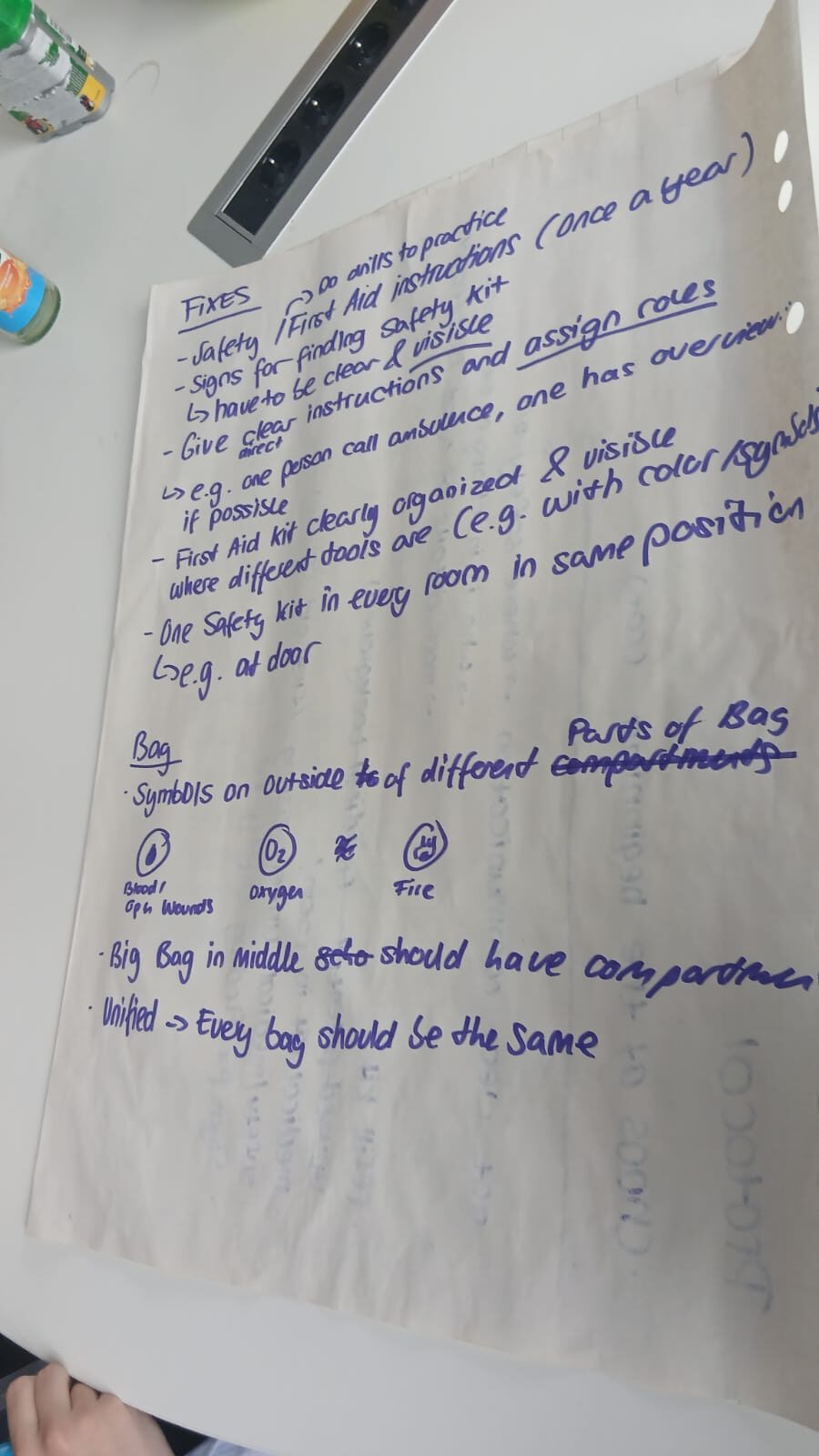
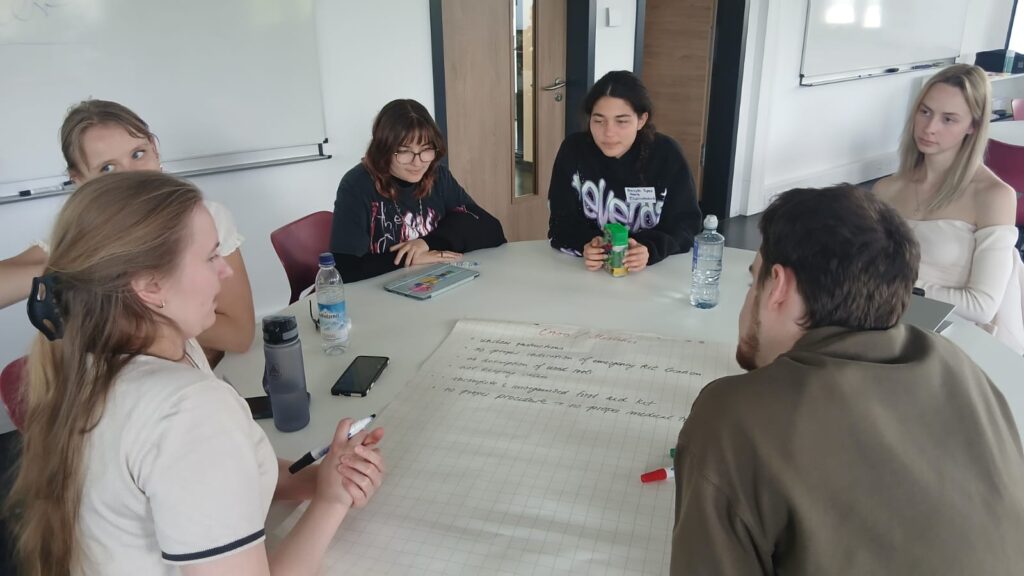
Our session went 1 step further and the professor urged us to come up with tangible solutions to optimize the emergency process. Solutions that can really be implemented. The following solutions were discussed that you may even see implemented in the near future. (and if so, you will know it was the result of Prof. Florian and our lovely honors seminar 🙂 )
Real-World Connections
One of the key insights we had as students was related to the “Emergency” simulation. The emergency itself serves as a perfect real-world connection. Sadly, most of us have been in similar situations where we felt stressed, panicked, and surrounded by complete chaos.
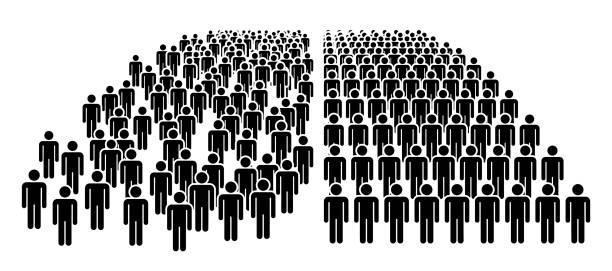
You can find these feelings in many real-world scenarios. For example, think of a large crowd where everyone is trying to reach a single poin. The crowd becomes stressed, leading to total chaos. This is exactly what we felt during the seminar. The ideas we developed to optimize the process are quite similar to real-world solutions. Just as a more organized first aid kit saves time, dividing areas into zones can help manage a crowd heading toward a specific goal.
Reflecting
Even though we are in this seminar to learn how to “fail forward” when we make mistakes, the experience also gave me a different perspective on what those mistakes actually mean. Today’s session taught me that mistakes are not just errors, they represent lost time, lost effort, and inefficiency. I knew this theoretically before, but to be honest, I hadn’t quite grasped it until now. There are so many small mistakes and inefficiencies in our daily lives where we could save energy. In Germany, we have the phrase: „Auch Kleinvieh macht Mist“, which means something like “Even small things add up.” If you apply this logic to all the little inefficiencies in life, you really begin to think differently about how you approach tasks and how you react to mistakes. Understanding this helps you realize that the way you handle these moments can save a significant amount of time and energy.
Questions for Further Exploration
I learned a lot in this session, but I still have a few questions I would like to explore further:
- How far can we take the idea of LEAN?
- Is there a border where, once we cross it, we do more damage than good?
My concern is that if we try to make every single process as efficient as possible, it might eventually backfire. Will we still be able to enjoy the process of creating things if we are only focused on doing it as quickly as possible? Furthermore, will we suffer from mental health issues if our daily lives are constantly tuned to maximum speed?
As you can probably tell, we really enjoyed today’s session and learned a great deal. Thank you for that, Professor Florian Hörmann.


Leave a Reply