Blog: March 24th 2026 – Second Week of Honors Seminar
If there’s one thing today’s seminar, led by Prof. Dr. Claudia Meitinger from the Electrical Engineering Department made clear, it is that mistakes are not just little accidents we try to avoid, but they can be the main characters of a whole story. In the following, things go wrong in the most dramatic ways, yet every single mistake pushes the story forward while challenging the participants in various ways.
Chapter 1: The Bite
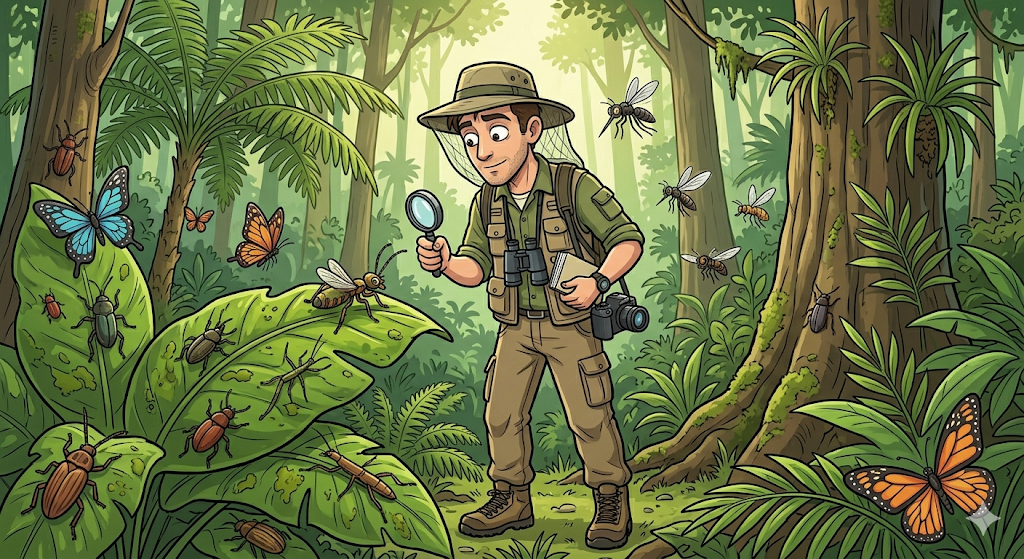
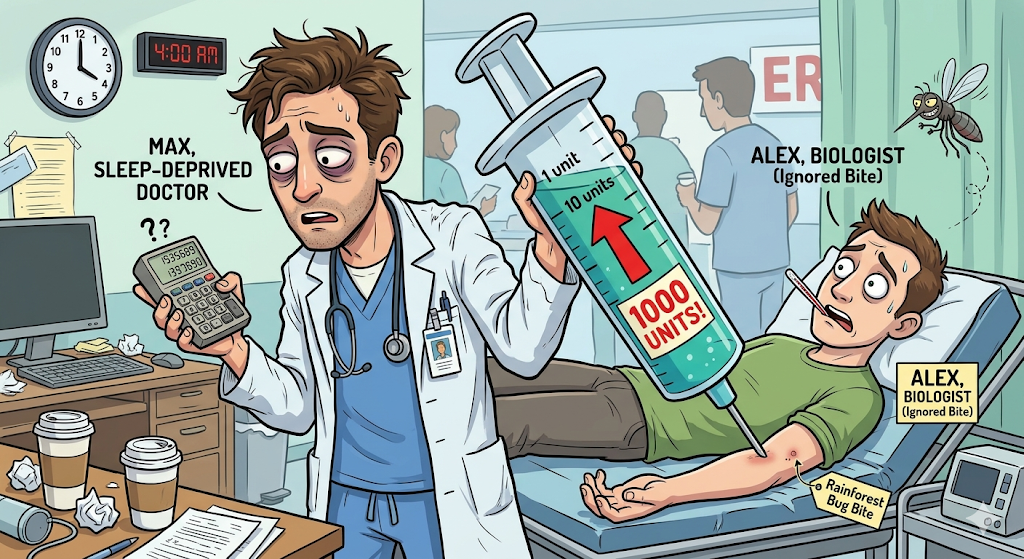
Our story, read to us by Prof. Meitinger, begins with The Bite, which has a harmless setup: A rainforest, a mysterious bug, and a biologist named Alex. He gets bitten by the bug and ignores the bite like we all ignore things that will definitely come back to haunt us. It was only a matter of time until Alex is rushed to the emergency room with a dangerously high fever. Then we have Max: A sleep-deprived doctor who hasn’t seen rest in 24 hours. Under pressure, he misreads the dosage and administers a thousand-fold overdose. Not exactly a minor error.
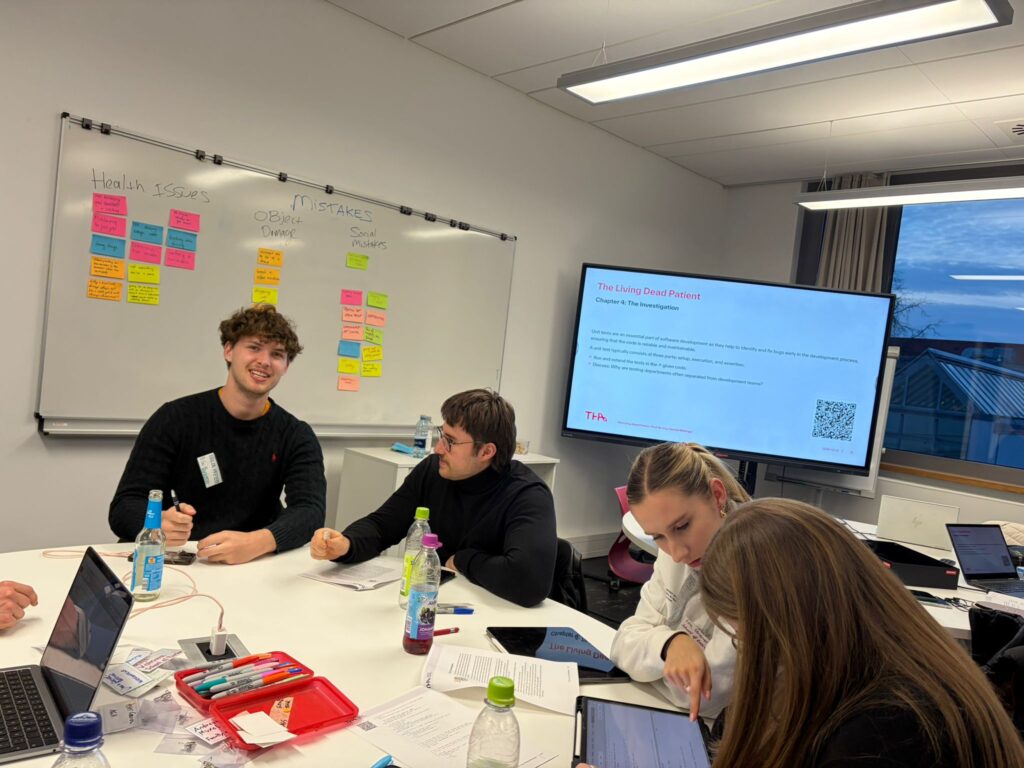
This chapter introduces the idea that according to James Reason, errors can result from unintended and intended actions and appear in different forms: Slips, lapses, and mistakes. Our task was to discuss and identify the error type of Max as well as the circumstances that caused the problem. The conclusion: There was no conclusion! Looking at the situation from the person approach and the system approach led to lively ethical discussions.
Chapter 2: The Puzzle
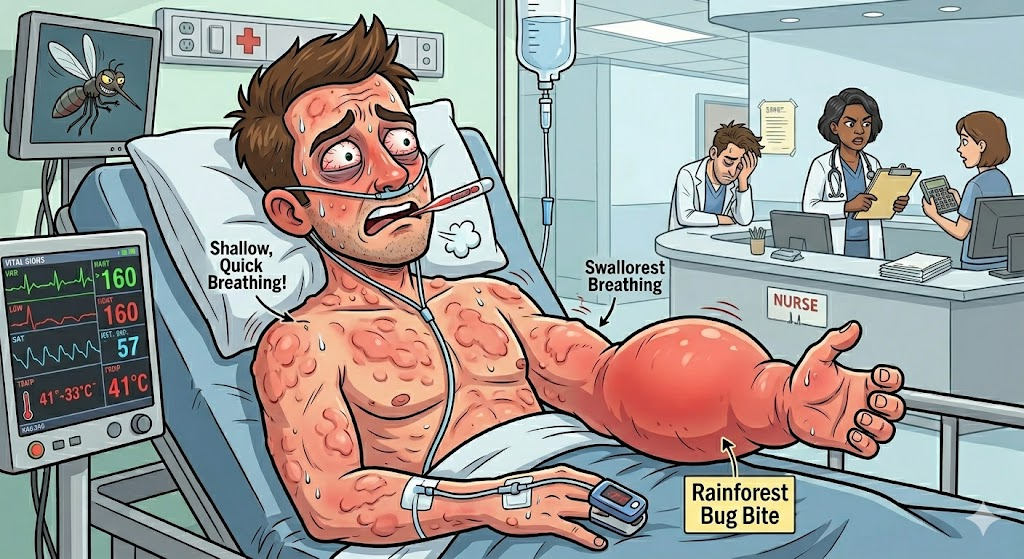
Now things get even more confusing. Alex’s condition gets worse. The team starts throwing around hypotheses: Overdose, allergic reaction, infection? Each explanation fits a little, but none fits completely. At some point, someone asks the golden question: “Are we treating the disease or the side effects of our treatment?” That’s when you know things have gotten complicated.
Problems are rarely simple and our first explanation is often incomplete. It also showed how important it is to step back and rethink assumptions.
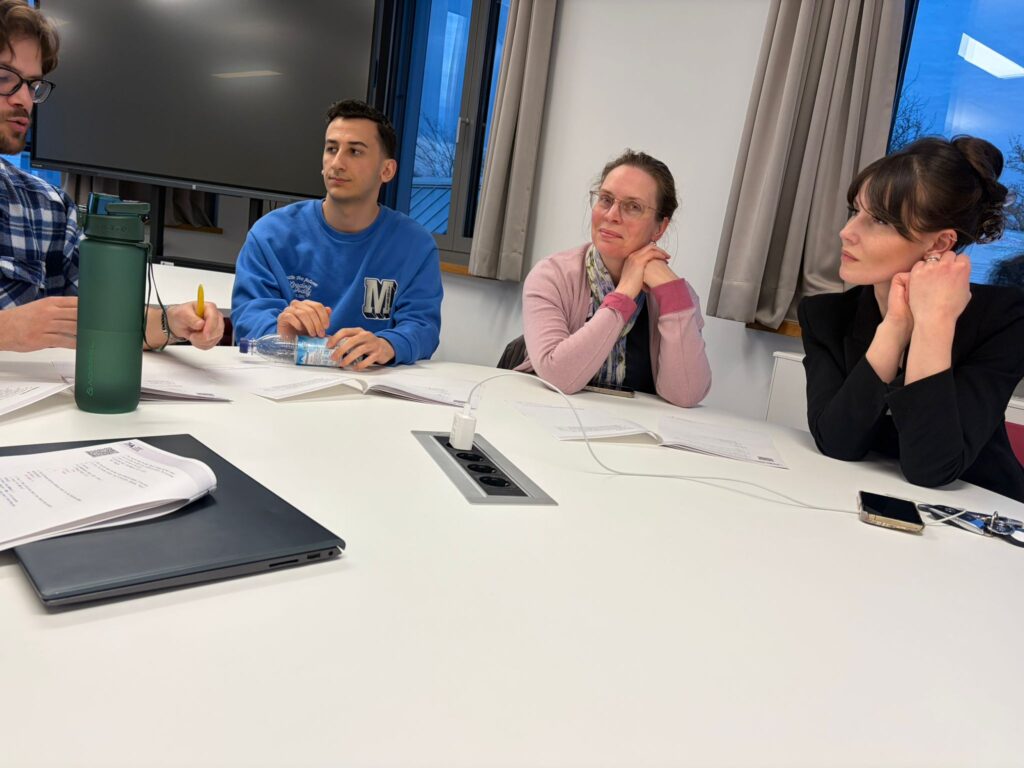
Like everyone should do, when they are stuck, the doctors called an expert, their hero: Chris, the engineer. Because when medicine gets complicated, obviously the next step is… experimental technology?
Chapter 3: The Machine
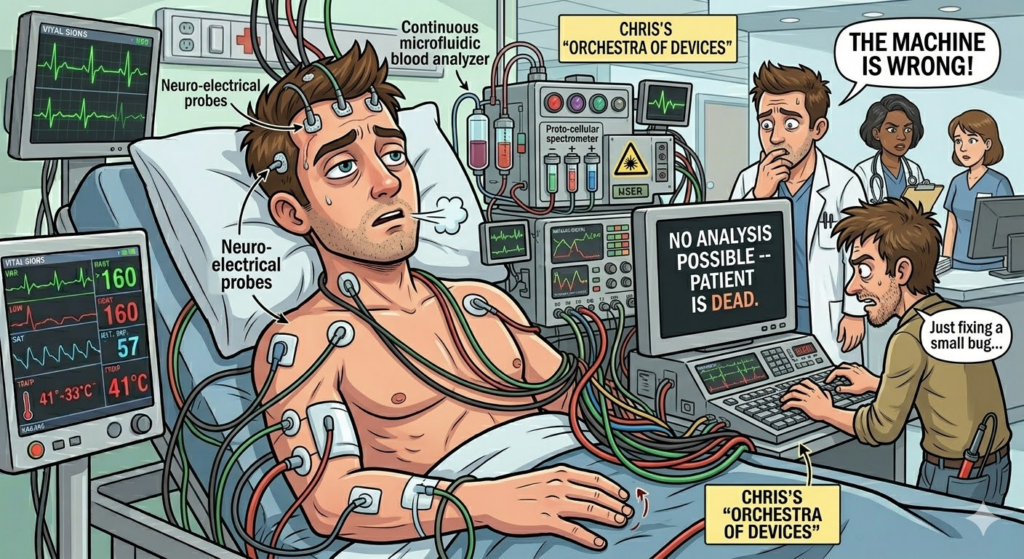

This is where things go from serious to slightly absurd. Chris arrives with a machine that looks like a mix between a science project and a sci-fi movie prop. It connects wires, flashes lights, and promises answers. After some frantic typing and fixing “just a small bug”, the machine finally produces a result: “Patient is dead”.
There’s just one small issue: The patient is clearly alive.
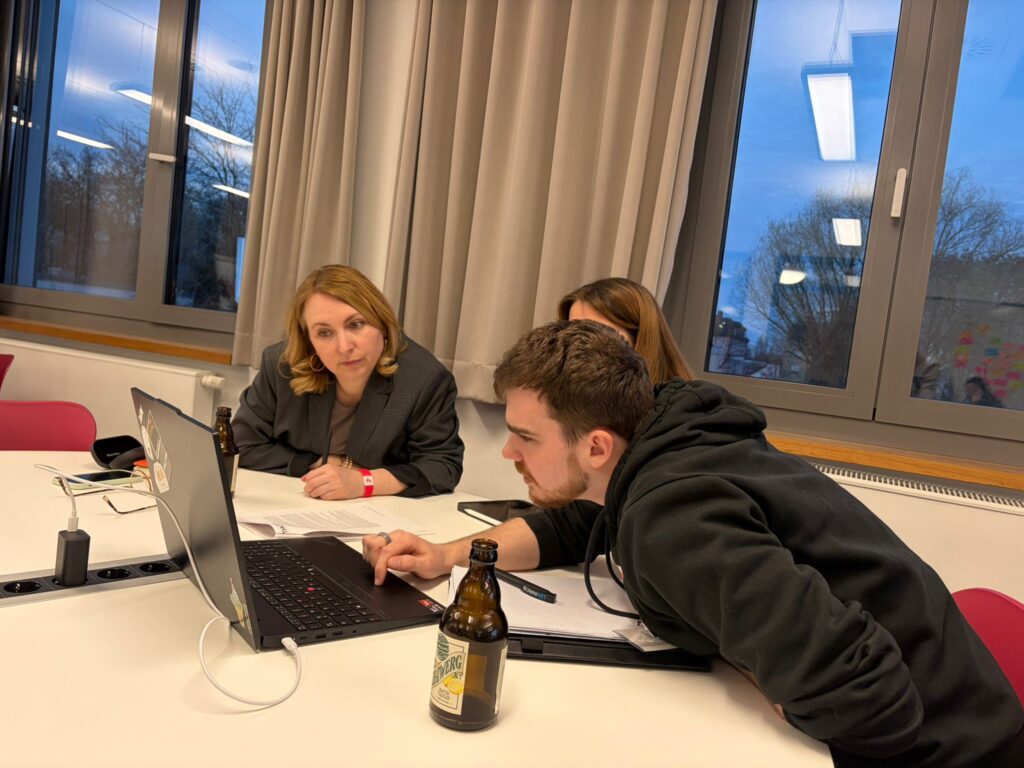
This is where the story mirrors what we learned about programming errors. The machine didn’t just fail randomly, it failed in specific ways: There are syntax errors that stop everything, logical errors that produce completely wrong results, and runtime errors which lead to crashes at the worst possible moment. And here starts our mission – as mostly amateurs in information technology: Fixing the code ourselves. Interestingly, part of the group was genuinely excited and had the chance to hunt bugs and fix things!
Chapter 4: The Investigation
The mood of the doctors (and the seminar) shifts from analysis to panic:
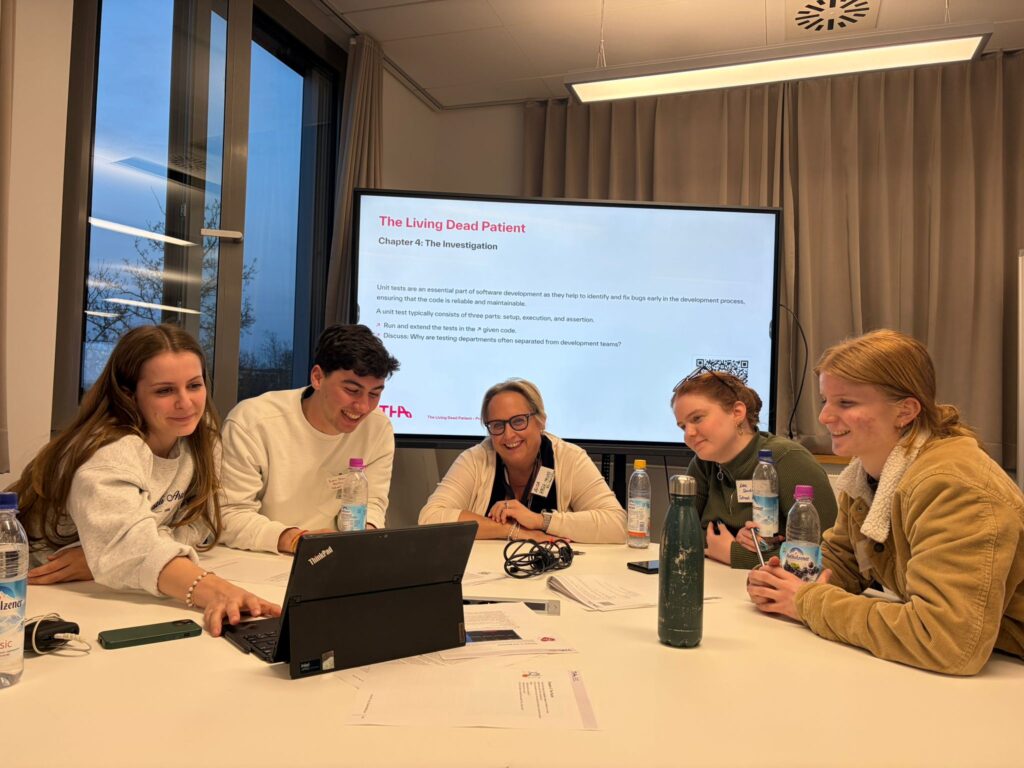
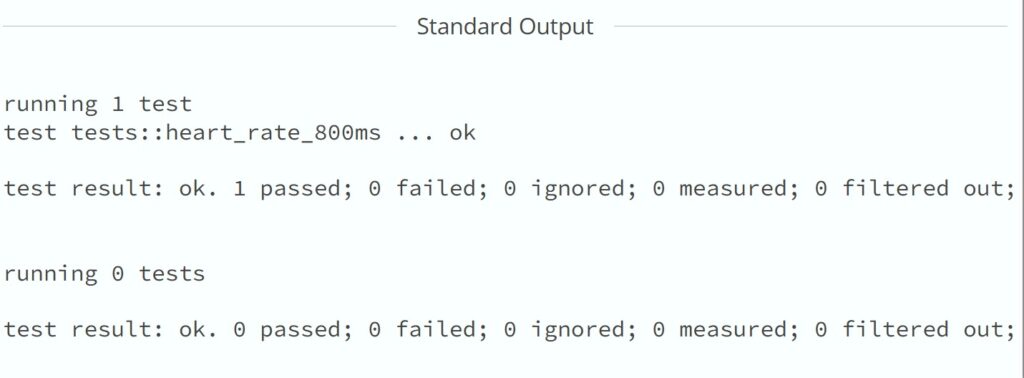
Instead of trusting the machine blindly, the team questions it. They dig deeper into the raw data, compare expected and actual results, and realize that the issue isn’t the data, but how the data is processed. This is the part where we learn about the importance of software testing. It helps us catch errors early and systematically. A program can run perfectly and still be completely wrong. That’s probably one of the most important lessons, not just in coding, but in general. Just because something “works” doesn’t mean it’s correct.
The moral of the story: computers don’t make mistakes, they follow instructions to the book. So if something goes wrong, it’s usually because a human gives the machine the wrong instructions.
2 of the 3 authors decided to give up at this point and let the remaining author work his magic!
Chapter 5: The Power of Mistakes
Without the initial errors, the team might never have questioned their assumptions, never investigated deeper, and never found the true cause. The combination of human reasoning and technical analysis ultimately led to success. Looking back, the common thread through the entire story is clear: Mistakes are not just problems, they are opportunities to learn, improve systems, and think more critically. Whether it’s a doctor under pressure, a faulty machine, or a broken piece of code, every error reveals something valuable. So in the end, failing forward means exactly that: You don’t avoid mistakes, you use and analyze them. And sometimes, all it takes is one wrong calculation, one broken program, or one “dead” patient who is very much alive to figure things out.
In the end, we don’t succeed despite errors, we succeed because of them.
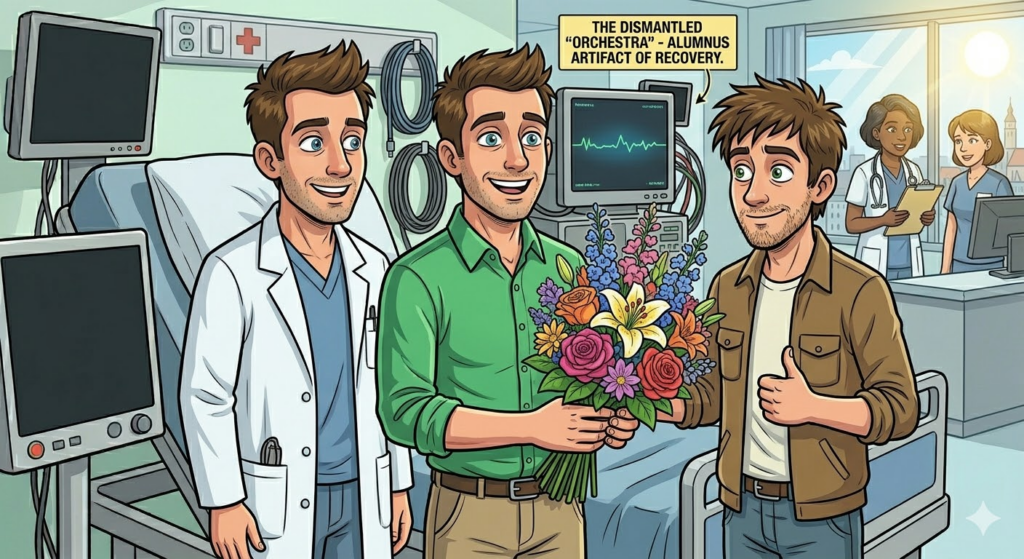
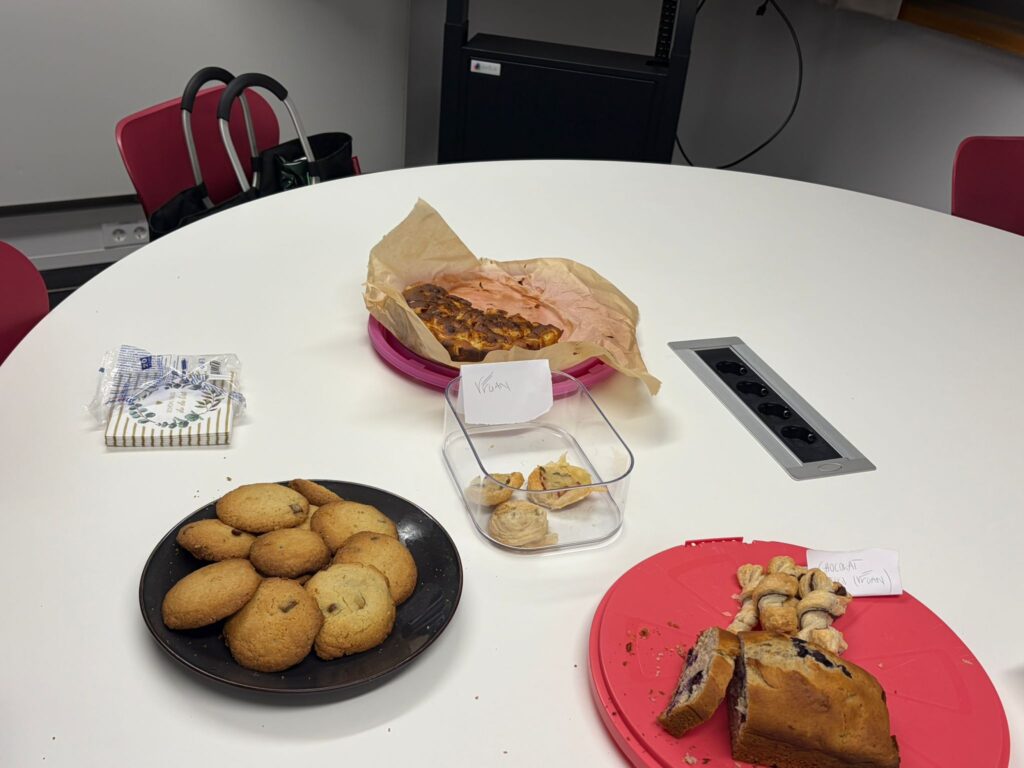
The vibe after the seminar concluded was incredible and just kept getting better after discovering and trying all the fresh home baked goods, which were made by the participants. As usual people grabbed something to bite, a drink and chimed into the lively discussions that ensued over the things we’ve learned this week.
Thank you Professor Meitinger for this interactive adventure in electronic engineering! We gained many insights, not only in coding but also becoming aware of different kind of errors.

Authors: Leonie Diechler, Patrick Hertle, Anna Orth
Pictures: AI-generated with Gemini


Leave a Reply